

Lighting is one of the most powerful design tools you can use inside a home, yet it’s often the most overlooked. People spend hours choosing paint colors, fabrics, and furniture, but the way light falls across a room can influence everything from the mood to the perceived size of the space. When you understand how to place light thoughtfully, your interior design can shift from ordinary to unforgettable. Strategic light placement can transform your home in ways that feel natural, beautiful, and incredibly functional. Whether you are updating a single room or planning a full redesign, the way you layer and direct your light matters more than most people realize.
The first way strategic lighting impacts interior design is through the mood it creates. Every room has a purpose, and the way lighting is positioned should support that purpose. In a living room, lighting that feels warm and inviting helps people feel comfortable. In a kitchen, more direct illumination supports tasks like prepping meals and reading recipes. In a bedroom, softer pools of light help create calm. Placement is the secret behind these feelings. A lamp placed too high or too low can completely shift how the room feels. A fixture that casts downward light creates a cozy mood, while upward or diffused lighting can make a space feel expansive.
Another powerful effect of smart lighting placement is how it shapes the perceived size of the room. Designers have long used this trick to make tight spaces feel larger and open rooms feel more intimate. By directing light toward corners or reflective surfaces, you can visually stretch a room. When you aim lighting across horizontal surfaces—like long countertops or wide shelves—you naturally guide the eye along the width of the room. When you use focused lighting on vertical elements—like tall bookcases or art—you draw the eye upward, making ceilings seem higher. Small rooms benefit from wide, indirect lighting while large spaces come alive with layers of different intensities.
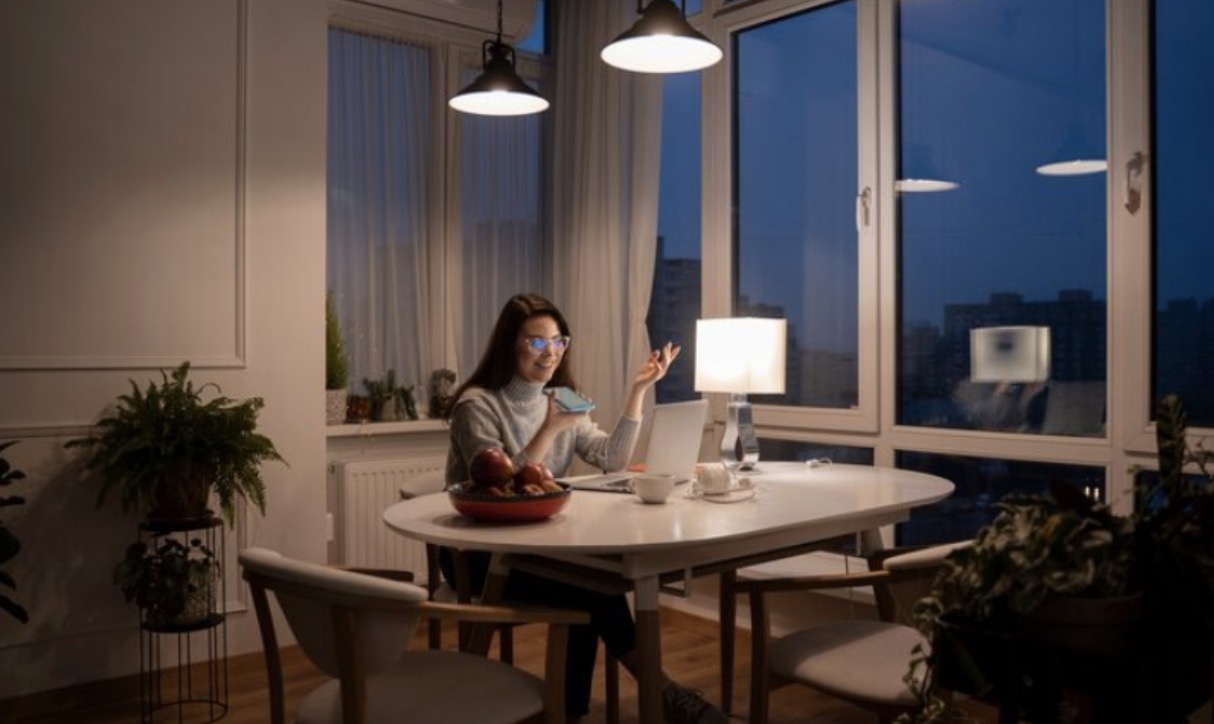
One of the easiest ways to elevate your home through lighting is by using statement fixtures strategically. This is where options like glass pendant lighting become incredibly useful. Pendant lights naturally draw attention because they float at eye level. When placed above a kitchen island, dining table, or reading nook, they not only brighten the area but also anchor it visually. The glass element adds reflective quality, allowing light to bounce softly throughout the room. It’s a subtle but impactful way to blend style and function. The transparency of glass pendant lighting also prevents it from feeling heavy in the space, making it ideal for smaller rooms that need elegance without clutter.
Layering different types of lights is another important principle. A room with only overhead lighting usually feels harsh and flat. When you add table lamps, floor lamps, and accent lights, the space begins to feel warm and balanced. Each type of fixture should be placed with intention. A floor lamp tucked into a dark corner can brighten a forgotten space. A small lamp on a console table near the entryway can welcome guests with a soft glow. Accent lighting above cabinets or bookshelves can highlight architectural details that might otherwise disappear. When these light sources work together, the room feels fuller and more dynamic.
Strategic placement also has a direct impact on the colors inside your home. Light changes the appearance of paint, fabrics, flooring, and artwork. When lighting is placed too close to a surface, the color may appear distorted or overly bright. If the lighting is positioned too far away, you may lose important texture or depth. By testing different angles and distances, you can find the placement that brings out the best in your interior palette. Many designers will experiment with lighting at night and during the day because natural light influences how artificial lighting behaves. Your goal is to find a balance that makes your space look its best no matter the time of day.
Another overlooked effect of thoughtful lighting placement is how it improves your daily routines. Good lighting in a bathroom makes getting ready easier. Task lighting near a desk helps you stay focused. Soft lighting near a bedside table makes winding down feel natural. When you consider how you move through your home, you begin to understand how important placement is. You can place lighting along hallways to guide movement, add small fixtures in kitchen corners that tend to be dim, or illuminate shelves that store frequently used items. Good lighting supports your life in ways you may not notice consciously but definitely feel.
Finally, strategic lighting placement helps your home feel cohesive. Interior design is often about unity—how each room flows into the next. When you repeat lighting styles, colors, or heights from room to room, the home naturally feels more connected. For example, if you incorporate glass pendant lighting in your kitchen, you might echo similar materials or shapes in the entryway or dining room. This doesn’t mean using the same fixtures everywhere, but rather keeping the visual language consistent. The way light interacts with materials, shapes, and finishes can create harmony throughout your home.
Light placement is more than choosing a pretty fixture or switching out a bulb. It’s about understanding how light directs attention, shapes color, influences mood, and supports everyday living. When you use lighting thoughtfully, your home immediately feels more polished and intentional. Strategic lighting enhances every design choice you’ve already made, from your furniture to your wall colors, allowing them to shine—literally and figuratively. With a bit of planning and a creative eye, you can redefine your entire interior design simply by placing your lights with purpose.